

Get pet safe car air freshener guidance for choosing a subtle scent, checking ingredient details, and creating a fresher shared ride with your companion.
Life with a pet makes every drive better, from quick coffee runs to long weekends away. It can also leave the cabin carrying traces of muddy paws, damp fur, and well-loved blankets. A pet safe car air freshener search usually begins with a simple goal: make the car feel fresh without overlooking the comfort of the animal sharing the ride.
Explore Drift car fresheners designed to bring a subtle, refined scent into everyday drives.
There is no single fragrance format that is automatically suitable for every pet. A thoughtful choice considers ingredient transparency, scent intensity, placement, ventilation, and the individual animal. The most useful approach is to clean the source of unwanted odors first, choose a subtle fragrance second, and pay attention to how your pet responds.
This guide offers a practical framework for making that choice. It does not replace guidance from your veterinarian, especially if your pet has a known sensitivity or health concern.
What does pet safe car air freshener really mean?
The phrase describes what a shopper wants, not a universal certification. Most people using it are looking for a car fragrance they can use thoughtfully around a dog, cat, or other companion. That makes the details behind the label more important than the label itself.
Suitability depends on the complete experience
A fragrance does not exist in isolation. Its strength can change with cabin size, summer heat, airflow, and the amount of time spent in the car. Placement matters too. A securely installed scent kept away from curious paws creates a different experience than a loose product within reach.
Your pet is another important part of the equation. Animals vary in age, size, habits, and sensitivity. What seems pleasantly subtle to one passenger may feel distracting to another. Starting with less fragrance and observing your companion is the more considered approach.
Look for useful information, not absolute promises
Broad claims such as natural, clean, or pet friendly can be a starting point, but they should not end the evaluation. Look for a brand that explains what its product is made from. How the fragrance format works, where it should be installed, and how to adjust or stop use.
Be cautious of any claim that suggests a scent is universally appropriate for every animal in every situation. If your pet has a known sensitivity, ask your veterinarian about the specific product or ingredient list before introducing it.
Read beyond the pet-friendly label
A useful label helps you make a deliberate choice. It gives you more than a reassuring phrase on the front of the package. Before buying, review the product page, packaging, use instructions, and any available ingredient information together.
Signals that support a thoughtful choice
|
What to review |
More useful signal |
Question to ask |
|
Ingredient information |
Specific, accessible disclosure |
Can I understand what gives the product its scent? |
|
Scent delivery |
A controllable or gradual format |
Can I reduce the intensity if needed? |
|
Installation |
Clear directions for secure placement |
Can it stay away from paws and mouths? |
|
Brand language |
Measured claims with practical guidance |
Does the brand avoid universal promises? |
|
Refill system |
A designed holder with replaceable scent |
Can I refresh the scent without replacing the whole object? |
Understand the limits of familiar terms
Terms such as non-toxic or chemical-free can sound definitive while leaving important questions unanswered. Everything is composed of chemicals, including natural materials. A more useful question is whether the maker gives you enough information to decide how the product fits your household and how to use it responsibly.
Drift car scents pair natural-material designs with high-quality, phthalate-free fragrance oils. That information can be part of your evaluation, but it does not mean one scent is automatically right for every pet. Consider the complete setting and your companion's individual needs.
Choose pet safe car air freshener strength for a shared cabin
A car is a compact space, so restraint matters. A fragrance that feels faint in an open room can feel much more present inside a closed vehicle. The goal is not to fill every inch of air with scent. It is to create a quiet, polished background that never competes with the ride.
Begin with the lowest practical intensity
When you introduce a new scent, use the most conservative setup available. Do not add several fragrance products at once. Avoid combining a scented cleaner, a loose air freshener, fabric spray, and diffuser, because the layered result makes it difficult to know what your pet is experiencing.
Give the cabin fresh air before your pet gets in. On the first few drives, keep the trip short and the airflow comfortable. If the product format allows you to reduce exposure or put the fragrance away between trips, use that flexibility while learning what works.
Account for heat and time
Temperature and ride duration can change how noticeable a scent becomes. A parked car warming in direct sun may smell stronger when you return. Open the doors or windows and let trapped air move out before inviting your companion inside.
Longer drives also call for more attention to airflow. Use ventilation for the whole cabin rather than directing a strong stream at your pet. Never leave an animal unattended in a parked vehicle, regardless of whether a fragrance product is present.
How to introduce a car fragrance around your pet
A gradual introduction gives you time to assess the product without turning the first trial into a long, enclosed ride. Use this simple routine whenever you change scent, refill, format, or placement.
-
Clean the cabin first. Remove fur, wash pet blankets, wipe hard surfaces, and address any damp areas. Fragrance should complement a clean car rather than cover an odor source.
-
Install the product securely. Follow the maker's directions and keep it out of reach. Do not leave loose fragrance pieces where a pet could lick, chew, or rub against them.
-
Start without your pet in the car. Install the scent, then check the cabin later. If it already feels strong to you, reduce or pause it before the next shared ride.
-
Ventilate and take a short drive. Let fresh air circulate, then introduce the experience on a brief trip rather than a long journey.
-
Observe and adjust. Pay attention to changes in your pet's normal comfort or behavior. If you have any concern, remove the fragrance, provide fresh air, and contact your veterinarian for advice.
Make observation part of the routine
Do not assume that a product that worked last season will feel identical after a refill or during warmer weather. Check the scent level when you enter the car, especially after it has been closed. Small adjustments can preserve the subtle effect you wanted in the first place.
Are natural fragrances always better for pets?
Natural can describe a source or material, but it is not a universal measure of suitability. Plants produce complex aromatic compounds, and an ingredient's natural origin does not tell you how every animal will respond to it. Synthetic does not automatically mean inappropriate either. The better evaluation considers formulation, concentration, format, and use.
Treat essential-oil claims with nuance
Online advice about essential oils often collapses a complicated topic into a simple safe or unsafe list. That approach can miss differences in species, formulation, concentration, and exposure. Avoid applying undiluted oils in the car or directly to your pet. Do not use a product as a pet treatment unless your veterinarian has specifically advised it.
If you want clarity about a listed oil or aromatic ingredient, share the exact product information with your veterinarian. Pet-specific professional advice is more valuable than a broad claim from a product roundup or social post.
Material design and fragrance formula are separate questions
A wood or metal holder can be an attractive, lower-waste alternative to a disposable novelty freshener. It can also make a car interior feel more considered. Still, the holder's material does not determine how the fragrance will feel in the cabin. Evaluate both the physical design and the fragrance formula.
Build freshness on a clean foundation
The most pet-considerate way to improve cabin scent begins before fragrance. A lingering odor may come from damp fabric, old treats, soil in floor mats, or fur held in upholstery. Covering the source with a stronger scent can make the cabin feel busier instead of cleaner.
Create a simple reset routine
Shake out or wash pet blankets regularly. Vacuum seats, seams, and cargo areas where fur collects. Wipe hard surfaces using products appropriate for your interior, and let anything damp dry completely. Check beneath removable mats and inside seat protectors, because hidden moisture can keep an unwanted smell returning.
Keep a small travel kit for everyday messes. Useful basics include:
-
A washable seat cover or pet blanket
-
A towel for damp paws and fur
-
Waste bags and a lint roller
-
A secure container for treats and travel supplies
Handling odor sources promptly restores a neutral baseline. A subtle fragrance can then function as an intentional finishing touch.
Separate odor control from scent preference
Ask two different questions: what needs to be cleaned, and what atmosphere do I enjoy? This prevents fragrance from doing a job it was not designed to do. It also gives you the freedom to choose a soft scent based on mood rather than reaching for the strongest option available.
If you enjoy carrying a consistent scent story from the road into your rooms, explore Drift's home fragrance collection. Use the same measured approach at home, with thoughtful placement and attention to the animals sharing the space.
A more mindful way to scent the car
Design-conscious drivers often want an alternative to the brightly colored, disposable freshener hanging from the mirror. A considered car scent should integrate into the interior, release fragrance without demanding attention, and make it easy to maintain a consistent experience.
Consider the complete product system
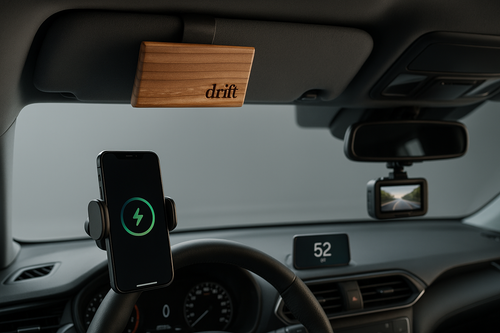
Drift's car fresheners use minimalist natural-material formats paired with high-quality, phthalate-free fragrance oils. Replaceable scents and a flexible monthly subscription make it possible to refresh the fragrance while continuing to use the designed holder.
Those qualities support a more mindful purchase, but a Drift scent should still be introduced thoughtfully around an animal. Install it securely, use ventilation, keep it out of reach, and pay attention to your individual pet. No well-designed product replaces observation or veterinary guidance when you have a specific concern.
For a closer look at formats, materials, and how these systems release scent, read Drift's guide to car scent diffusers.
Take the Drift scent quiz to find a refined fragrance direction that fits your preferences before choosing a car scent.
Choose a scent that stays in the background
Think about how you want the car to feel, not simply how strong you want it to smell. Nature-, travel-, and mood-inspired fragrances can add character while remaining refined. If you are unsure where to begin, the Drift scent quiz can help narrow the options around your preferences.
Once you choose, treat the first refill like a new introduction. Check the intensity after the car has been closed, ventilate before a shared ride, and adjust when needed. The best result is a cabin that feels clean, calm, and welcoming to everyone inside.
Frequently asked questions about pet safe car air freshener
Is there a car air freshener that is safe for every pet?
No product can promise universal suitability for every animal and situation. Review ingredient and use information, introduce fragrance gradually, keep it out of reach, ventilate the car, and ask your veterinarian about pet-specific concerns.
Can I use a car air freshener if my dog rides with me daily?
A daily routine makes subtle scent and regular observation especially important. Clean odor sources first, start with the lowest practical intensity, and give the cabin fresh air before rides. Remove the product and consult your veterinarian if you notice a concern.
Where should I put a car fragrance around pets?
Follow the product's installation instructions and choose a secure location that your pet cannot reach, lick, or chew. Avoid loose products on seats or in cargo areas. Make sure the placement does not interfere with driving visibility or vehicle controls.
Are essential oils automatically pet safe in a car?
No. Natural origin does not make an ingredient universally suitable. Do not apply undiluted oils to your pet or use them as treatment. For guidance about a specific formula or animal, consult your veterinarian.
How can I make the car smell fresher without adding more fragrance?
Vacuum fur, wash blankets and seat covers, clean floor mats, remove food or waste promptly, and let damp materials dry. Regular ventilation also helps. Once the source is addressed, you may find that only a very subtle scent is needed.
Find a scent that feels considered
A fresh shared ride begins with a clean cabin, thoughtful product information, secure placement, and a subtle approach. When you are ready to choose a refined fragrance that fits your style, take the Drift scent quiz and find an option designed to integrate seamlessly into everyday life.
Related posts